Bacteriological (Coliform) Sampling Guide
Step-by-step procedure for collecting bacteriological (coliform) samples from drinking water systems under the Revised Total Coliform Rule. Proper technique prevents false-positive results, unnecessary repeat sampling, and public notifications.
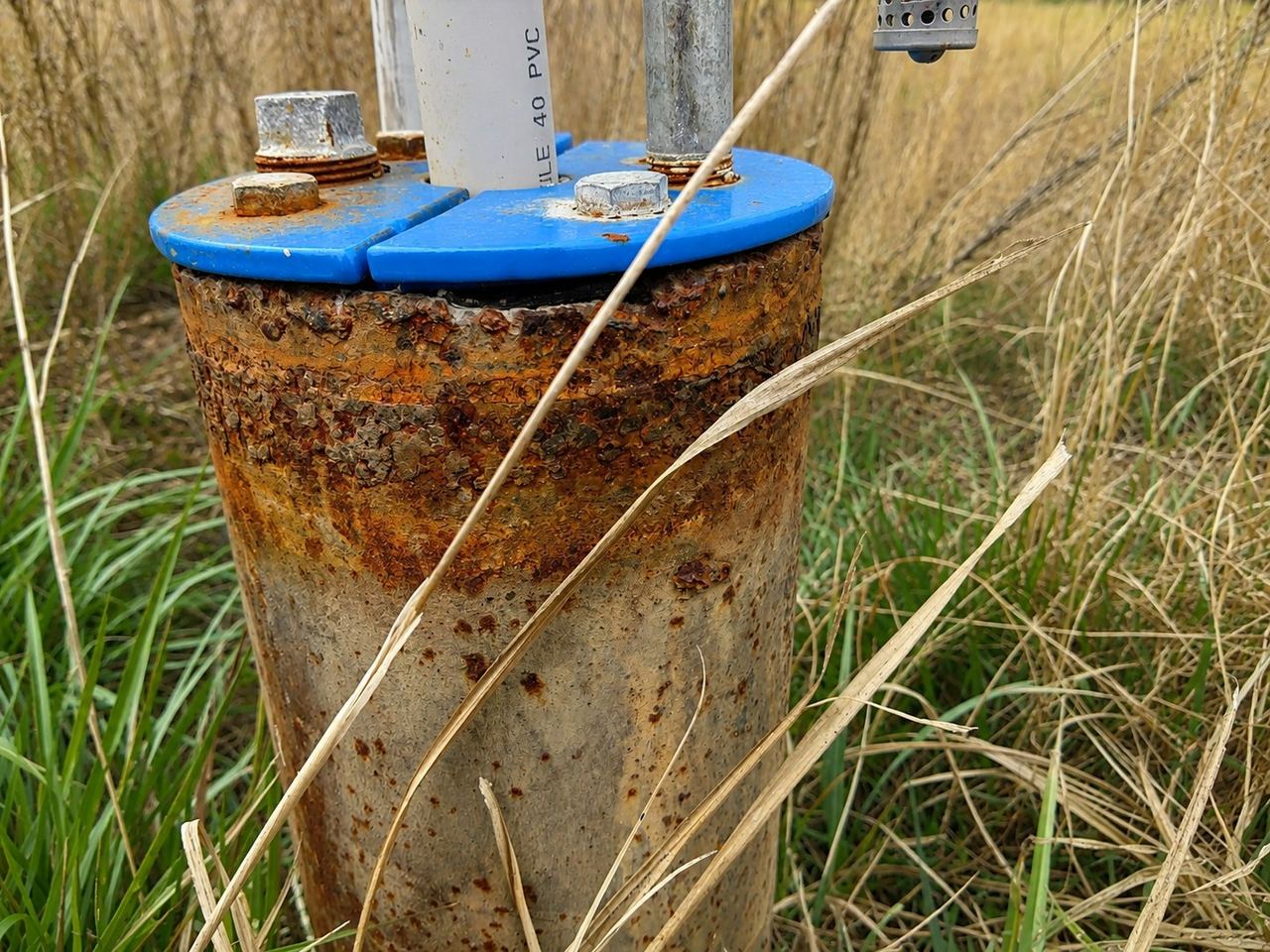
Select an indoor faucet used for routine public water supply. The faucet must be non-swivel, leak-free, with aerators and screens removed. Do not sample from fire hydrants, frost-free yard hydrants, faucets downstream of treatment devices (filters, softeners), or storage tanks. Confirm the location matches your system's approved Sample Siting Plan.
Use only the sample bottles supplied by your certified laboratory—they contain sodium thiosulfate preservative required for accurate results. Do not rinse, pre-wet, or substitute bottles. Keep the bottle sealed until you begin filling. Flush the line for 2–3 minutes with cold water (or hot then cold for mixing faucets); if the faucet is questionable, disinfect it with sodium hypochlorite solution and flush an additional 2–3 minutes. Reduce flow to a steady, low stream and fill only to the bottle neck.
During filling, hold the bottle near its base and never touch the interior of the bottle or cap with your fingers. Do not set the cap down or splash the preservative. If contamination is suspected or the cap is dropped, discard the bottle and start over. Cap immediately and tighten firmly once full. Complete the data slip on site with PWS name and ID, sample site ID, collection date and time, collector name, and chlorine residual if applicable.
Deliver the sample to the certified laboratory within 30 hours of collection—after 30 hours, water quality changes invalidate results. Keep samples refrigerated or on ice during transport; do not freeze. Best practice is to collect during the first two weeks of the month on Monday, Tuesday, or Wednesday, and mail or deliver the same day to ensure timely receipt.
Source document
WOH_Bacteriological_Sampling_Guide.pdf
application/pdf · 51.2 KB
Become a member to view the full 6 min readRelated articles
RTCR Sample Siting Plan Guide
The RTCR Sample Siting Plan is a written document required by the Revised Total Coliform Rule that specifies where routine and repeat bacteriological samples will be collected throughout a water system's distribution. It helps small, rural, and tribal water systems ensure representative sampling and comply with 40 CFR Part 141, Subpart Y.
12 min read
VOC and SOC Organic Contaminant Sampling Guide
Guide for collecting VOC and SOC samples at drinking water system entry points, covering bottle types, preservation, hold times, and critical differences in sampling technique between the two contaminant classes.
17 min read
Nitrate Sample Collection Guide
This guide covers nitrate monitoring requirements for small and medium drinking water systems under 40 CFR 141.23, including sampling locations, bottle types, collection procedures, hold times, and how to avoid errors that invalidate results.
16 min readNeed expert help with your water system?
Water Operator Hotline connects small public water systems with experienced water utility professionals who can help you stay compliant, maintain your equipment, and solve problems fast.