Consumer Confidence Report (CCR) Guide
The Annual Consumer Confidence Report (CCR) is a federally required plain-language summary of drinking water quality data delivered to customers by July 1 each year. This guide walks operators through preparation, required content, data gathering, and distribution for community water systems.
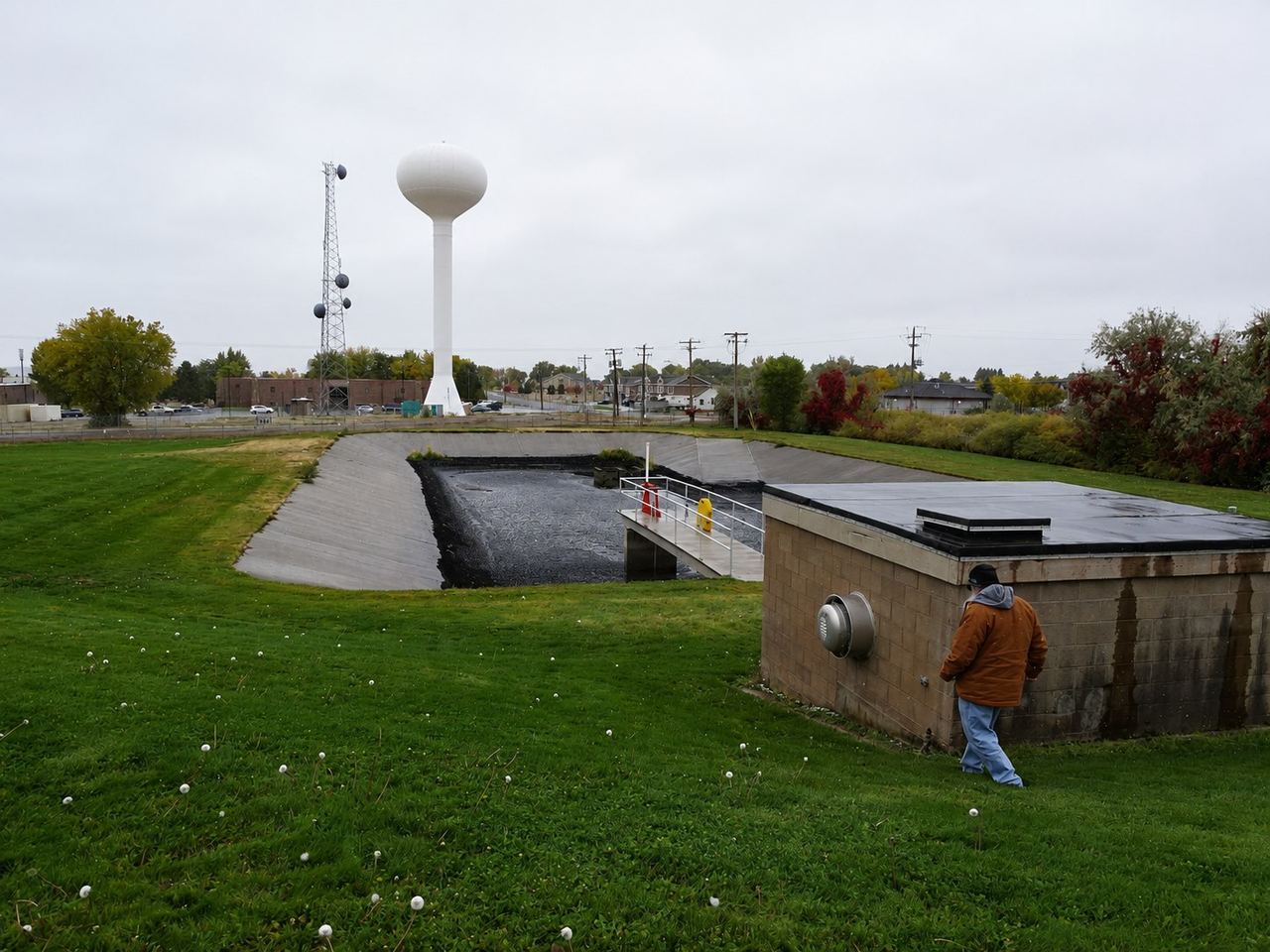
All community water systems serving at least 25 people or 15 year-round residential connections must prepare and distribute an annual CCR covering the prior calendar year. The report must reach all bill-paying customers, non-bill-paying residents, non-English speakers (where applicable), and the state primacy agency by July 1. Check your state's requirements, as deadlines and formats may be stricter than the federal baseline.
The CCR must include system identification and contact information, water sources, a table of all regulated contaminants detected in the prior year (showing MCL, MCLG, level detected, and typical sources), results of unregulated contaminant monitoring if required, violations summary, and mandatory health effects language for any exceedances. Special statements are required for systems with lead service lines, Cryptosporidium-positive source water, arsenic or nitrate exceedances, and immunocompromised populations.
The detected contaminants table is the report's core. Include contaminant name, MCL or treatment technique requirement, MCLG, detected level (or range if multiple samples), unit of measurement, sample date, and typical sources. If a contaminant was not detected, mark it "nd" or "not detected," or reference that a complete list is available on request. Ensure the highest detected value is clearly visible so readers can compare it to the MCL.
For any contaminant exceeding its MCL or action level, provide plain-language explanation of sources, potential health effects, and corrective actions underway. EPA provides standardized health effects language in 40 C.F.R. Part 141, Appendix A that satisfies regulatory requirements; you may modify it for clarity without reducing accuracy. Begin data collection immediately after January 1 to gather laboratory reports, field measurements, and violation records in time for timely report completion.
Source document
WOH_CCR_Guide.pdf
application/pdf · 206.8 KB
Become a member to view the full 18 min readRelated articles
RTCR Sample Siting Plan Guide
The RTCR Sample Siting Plan is a written document required by the Revised Total Coliform Rule that specifies where routine and repeat bacteriological samples will be collected throughout a water system's distribution. It helps small, rural, and tribal water systems ensure representative sampling and comply with 40 CFR Part 141, Subpart Y.
12 min read
VOC and SOC Organic Contaminant Sampling Guide
Guide for collecting VOC and SOC samples at drinking water system entry points, covering bottle types, preservation, hold times, and critical differences in sampling technique between the two contaminant classes.
17 min read
Nitrate Sample Collection Guide
This guide covers nitrate monitoring requirements for small and medium drinking water systems under 40 CFR 141.23, including sampling locations, bottle types, collection procedures, hold times, and how to avoid errors that invalidate results.
16 min readNeed expert help with your water system?
Water Operator Hotline connects small public water systems with experienced water utility professionals who can help you stay compliant, maintain your equipment, and solve problems fast.