Water Treatment Chemical Concentrations Reference
Reference table of concentration and specific gravity values for common drinking water treatment chemicals, plus unit conversions and dosage calculation methods needed for accurate chemical feed pump sizing and day tank management.
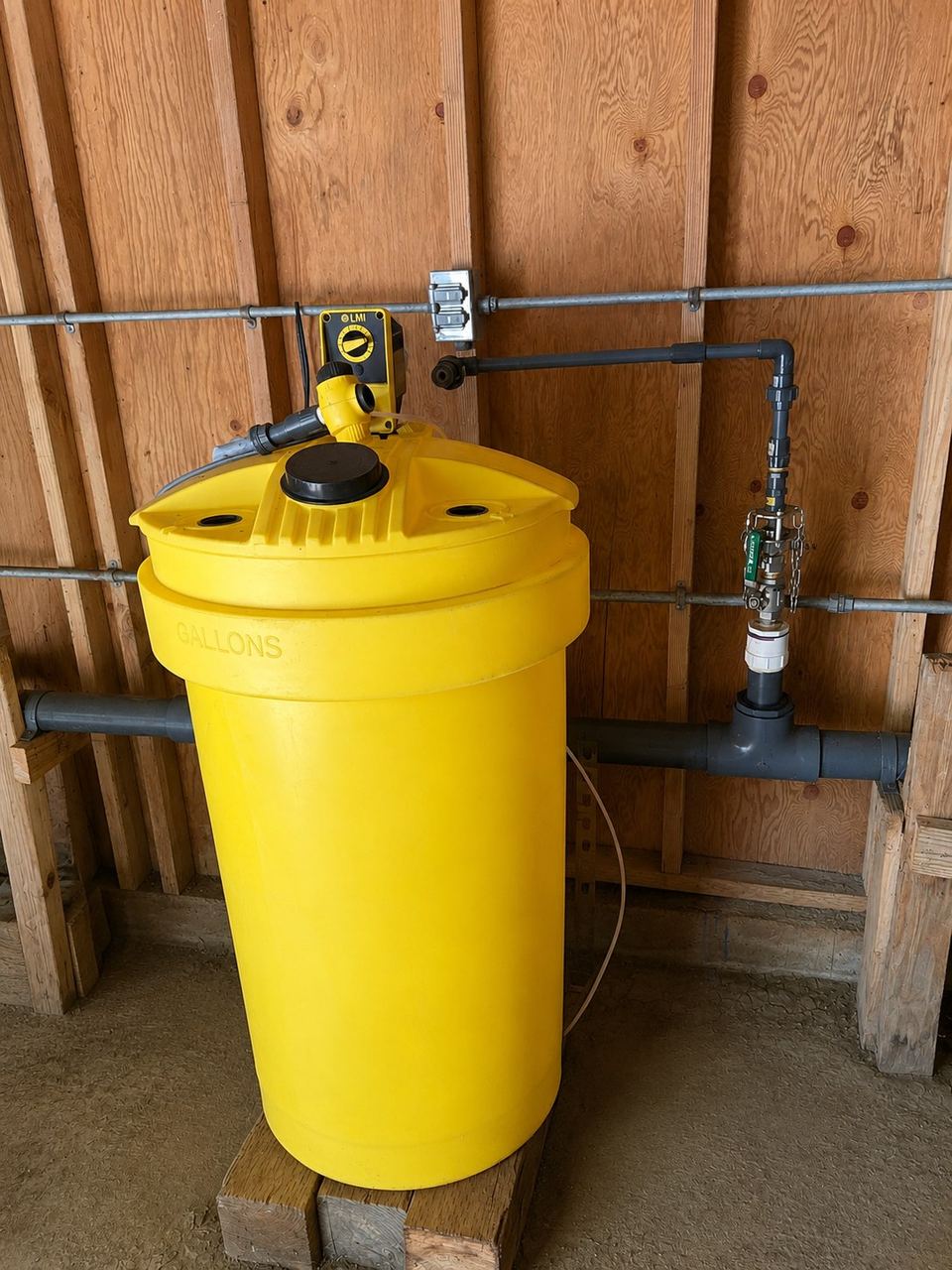
This guide consolidates concentration and specific gravity (S.G.) data for chemicals routinely used in drinking water treatment: sodium hypochlorite, alum, ferric chloride, ferric sulfate, sodium permanganate, sodium hydroxide, and ammonium sulfate. Specific gravity is the ratio of solution density to pure water and is essential for converting between volume-based pump settings (GPD or mL/min) and mass-based dosage targets (lb/day or mg/L). Always verify values against the current Safety Data Sheet or supplier certificate of analysis before performing compliance-critical calculations.
Key unit conversions are provided: 1 gallon = 8.34 lb (water at 60°F), 1 mg/L = 1 ppm, and % concentration × 10,000 = mg/L. To find chemical weight from volume, multiply gallons × 8.34 × S.G. × concentration (decimal). To find required pump volume from a dosage target, divide the chemical dose by (8.34 × S.G. × concentration).
Several chemicals vary in form or concentration by supplier. Sodium hypochlorite degrades over 30–60 days in storage and should be verified by certificate of analysis, not label. Ferric chloride comes in 35% and 42% grades with different specific gravities; switching grades requires recalibration. Sodium hydroxide (50% grade) is viscous and may need heat tracing in cold climates. Aluminum sulfate concentration and form vary by supplier. Always consult your state primacy agency and design engineer before implementing chloramine disinfection systems.
Source document
WOH_Chemical_Concentrations_Reference.pdf
application/pdf · 29.8 KB
Become a member to view the full 5 min readRelated articles
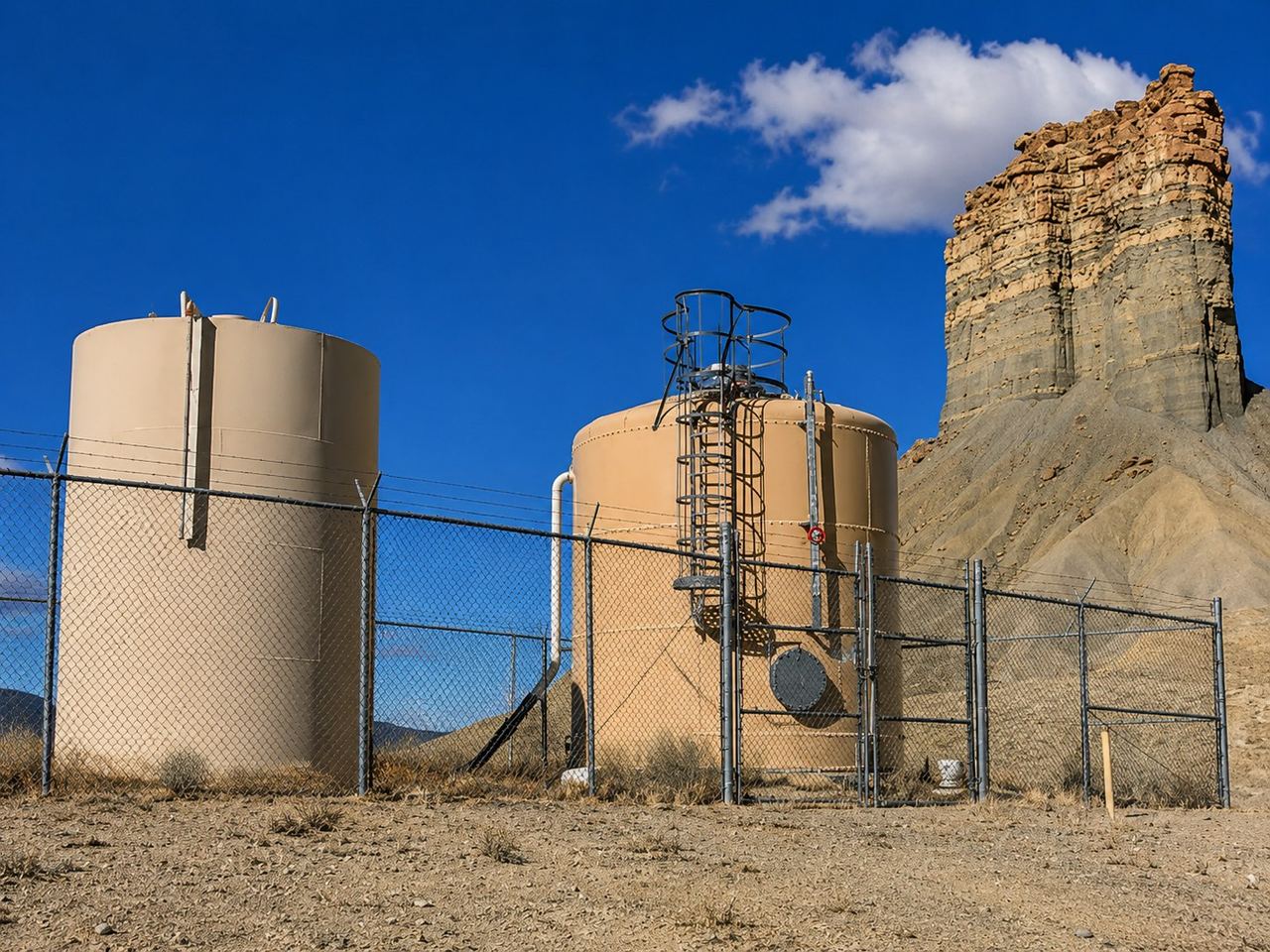
Drinking Water Standards Reference (MCLs)
EPA-regulated drinking water standards reference covering all primary and secondary contaminants, MCLs, MCLGs, health effects, and common sources. Operators use this to verify compliance limits and understand contaminant sources.
17 min read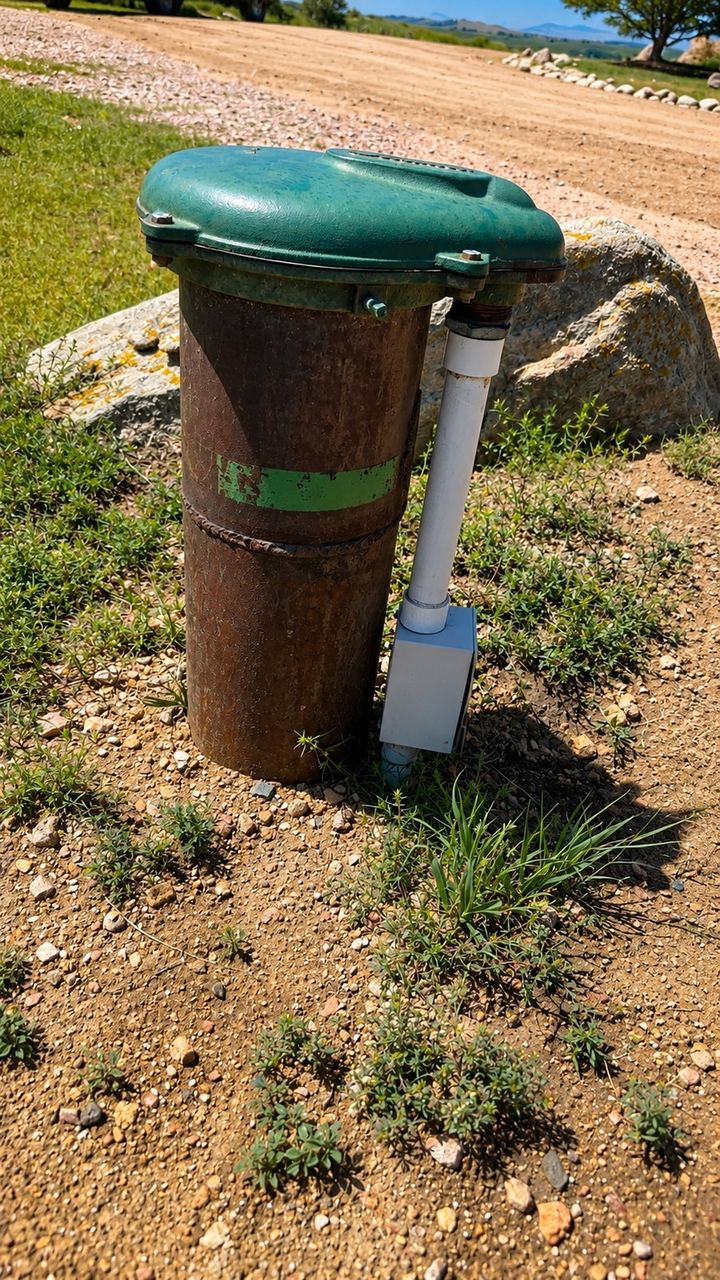
Well Disinfection (Shock Chlorination) Guide
Shock chlorination disinfects new, repaired, or contaminated wells by introducing high-concentration chlorine to kill bacteria and viruses. This guide covers when to disinfect, chlorine product selection, dose calculation, step-by-step procedure, and post-treatment sampling for drinking water operators.
18 min read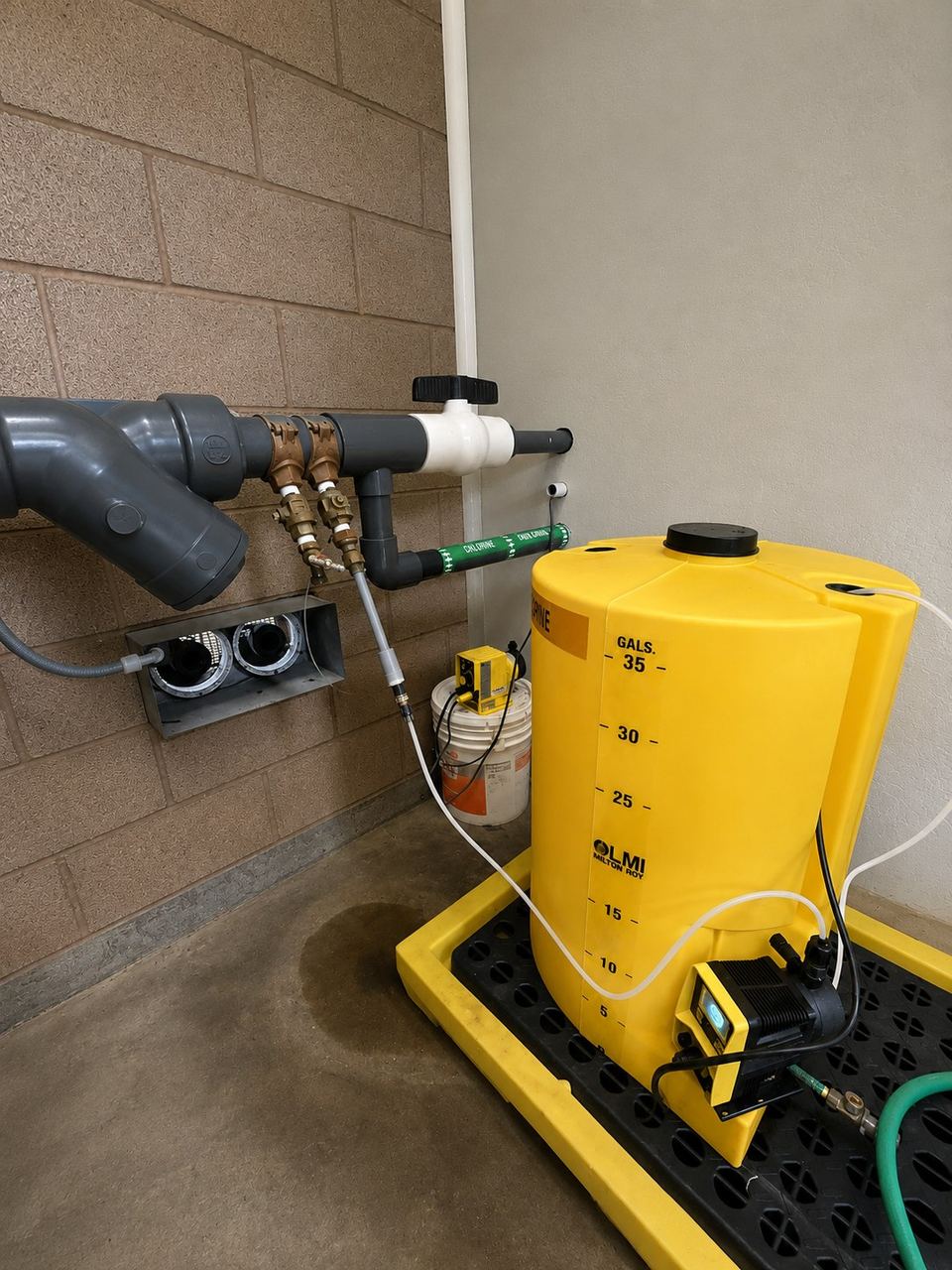
Water Rate Setting Guide for Small Systems
This guide helps water system operators and boards calculate full costs of service, structure rates to cover operating expenses, debt service, and capital replacement, and plan regular rate adjustments. It covers cost identification, revenue calculations, rate design options, and customer communication.
23 min readNeed expert help with your water system?
Water Operator Hotline connects small public water systems with experienced water utility professionals who can help you stay compliant, maintain your equipment, and solve problems fast.